


In the evolving world of digital marketing, Pay-Per-Click (PPC) advertising has proven to be a vital tool for businesses seeking to maximise online visibility, attract qualified traffic and convert prospects into loyal customers. However, the effectiveness of a PPC campaign does not solely rely on keyword selection, ad copy or budget allocation. The foundation of a successful PPC strategy lies in structuring campaigns to reflect the very framework of your business model. Aligning your campaigns with the way your business operates ensures that your advertising efforts are not only efficient but also strategically coherent with your broader organisational goals.
This comprehensive guide explores why structuring PPC campaigns around your business model is critical, the benefits it offers, best practices for implementation, potential challenges and actionable insights for businesses partnering with a PPC agency.
Understanding the Importance of Structuring PPC Campaigns Around Business Models
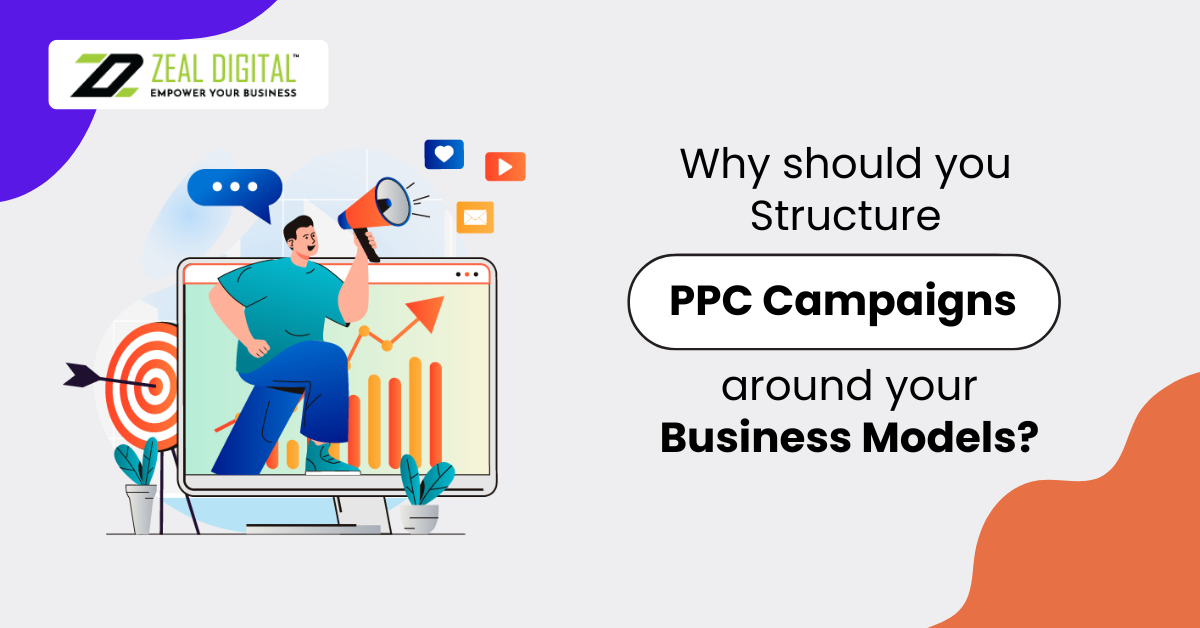
Most businesses approach PPC with a focus on tactical elements: which keywords to target, what ad copy to write or how much to bid. While these aspects are essential, they are insufficient if the campaign structure does not mirror the business model. A business-aligned PPC structure ensures that each campaign, ad group and keyword set directly contributes to the organisation’s objectives.
For instance, consider a company with multiple product lines spanning different industries. Running a single, generic campaign targeting all products is unlikely to deliver optimal results. Instead, structuring campaigns according to product categories, customer segments or sales funnels allows for tailored messaging, targeted bids and relevant landing pages. This approach enhances relevance, boosts performance metrics and ensures every pound spent contributes effectively to business goals.
Partnering with a reputable PPC agency like Zeal Digital can be especially beneficial for this alignment, as experienced professionals can design campaigns that mirror business operations and facilitate scalable growth.
Key Components of a Business-Aligned PPC Structure
Creating a PPC structure that reflects your business model requires careful consideration of several critical components. The following areas serve as the pillars for structuring campaigns effectively:
1. Product and Service Categories
A fundamental step is to organise campaigns around distinct products or services. Each offering has unique value propositions, target audiences and customer pain points, all of which should be reflected in the campaign structure. By segmenting campaigns according to product or service lines, businesses can:
- Craft highly-relevant ad copy tailored to each category.
- Direct traffic to landing pages that match the user’s intent.
- Allocate budgets according to the performance of each category.
- Optimise bids based on category-specific competition and profit margins.
For example, an online electronics retailer may have separate campaigns for smartphones, laptops and accessories. Each campaign would target different keywords, use different ad copy and link to product-specific landing pages to maximise conversions.
2. Geographic Targeting
Businesses operating in multiple locations benefit significantly from structuring campaigns by geography. Localising campaigns allows you to:
- Target ads based on regional search trends and customer behaviour.
- Customise ad copy to reflect local culture, language or events.
- Implement location-specific bidding strategies to optimise ROI.
A PPC agency can leverage geo-targeted campaigns to ensure that ads reach the right audiences at the right time, particularly for companies with multiple store locations or international operations.
3. Customer Segmentation
Not all customers are the same. Structuring PPC campaigns around different customer segments enables personalised marketing that speaks directly to each audience’s needs. Segmentation may include:
- Demographics (age, gender, income)
- Behavioural factors (past purchase behaviour, engagement level)
- Psychographics (interests, lifestyle, values)
For instance, a software-as-a-service company might have campaigns targeting small businesses, large enterprises and educational institutions separately, with messaging and offers tailored to each group. Segmenting campaigns in this way improves relevance, engagement and conversion rates.
4. Sales Funnel Alignment
A well-structured PPC campaign should consider the stage of the sales funnel that each audience segment occupies. Campaigns can be aligned with:
- Top-of-funnel (Awareness): Designed to introduce prospects to your brand and educate them on your offerings.
- Middle-of-funnel (Consideration): Focused on nurturing leads with targeted content, product comparisons or testimonials.
- Bottom-of-funnel (Decision): Geared towards converting prospects into paying customers with promotions, offers or direct calls to action.
By aligning campaigns with the customer’s journey, businesses ensure that the right message reaches the right audience at the right time.
5. Marketing Objectives
Different PPC campaigns may have different objectives, ranging from brand awareness to lead generation, e-commerce sales or app downloads. Structuring campaigns according to objectives ensures that:
- KPIs are clearly defined.
- Budget allocation aligns with priority goals.
- Performance metrics are relevant to the intended outcomes.
A PPC agency can assist in mapping campaigns to specific objectives, ensuring that every campaign contributes meaningfully to business growth.
Benefits of Structuring PPC Campaigns Around Your Business Model
Aligning PPC campaigns with your business model offers numerous advantages, which collectively enhance the effectiveness of your advertising efforts:
1. Higher Return on Investment (ROI)
Tailoring campaigns to your business structure increases the likelihood of conversions by presenting relevant ads to the right audience. This reduces wasted ad spend and maximises the return on every investment.
2. Improved Quality Score
Search engines reward relevance. When campaigns are structured around business offerings, customer segments and geographical markets, ads are more aligned with user intent, boosting Quality Scores and lowering cost-per-click.
3. Streamlined Reporting
Business-aligned campaigns facilitate granular reporting and analysis. You can measure performance by product line, region, customer segment or sales funnel stage, providing actionable insights for optimisation.
4. Efficient Budget Management
A well-structured account makes it easier to allocate budgets strategically, ensuring that high-performing campaigns receive appropriate funding while underperforming ones are optimised or paused.
5. Scalability and Flexibility
As businesses expand, a modular PPC structure allows for the seamless addition of new products, markets or customer segments without disrupting existing campaigns. This scalability supports long-term growth and adaptability.
Best Practices for Aligning PPC Campaigns with Your Business Model
Implementing a business-aligned PPC structure requires strategic planning and disciplined execution. Here are some expert best practices:
1. Conduct a Business Audit
Start with a comprehensive audit of your business model. Identify core product lines, customer segments, geographic markets and sales funnels. This audit will serve as a blueprint for structuring campaigns effectively.
2. Collaborate with a PPC Agency
An experienced PPC agency like Zeal Digital can guide you in aligning your campaigns with your business model. Agencies bring insights into account structuring, audience targeting and ad copy strategies, helping you achieve maximum impact.
3. Use Campaign Types Strategically
Different PPC campaign types serve distinct purposes. Search campaigns capture demand, display campaigns build brand awareness while shopping campaigns drive e-commerce sales. Use each type where it aligns best with business objectives.
4. Implement Granular Targeting
Within each campaign, create ad groups to target specific keywords, demographics and audience interests. Granular targeting increases ad relevance, reduces wasted spend and enhances conversion rates.
5. Optimise Continuously
PPC campaigns are not static. Regularly monitor performance metrics, adjust bids, refresh ad copy and refine targeting to ensure ongoing alignment with your business model and market dynamics.
Challenges to Consider
While structuring PPC campaigns around your business model provides numerous benefits, businesses should also be aware of potential challenges:
- Complexity: A detailed structure can become complex, especially for businesses with multiple product lines and markets. Leveraging automation tools and agency expertise can help manage complexity effectively.
- Resource Requirements: Creating and maintaining a business-aligned PPC structure demands time, personnel and expertise. Businesses must ensure they have the capacity to manage campaigns efficiently.
- Continuous Adaptation: Market conditions and business strategies evolve. PPC campaigns must be continually reviewed and adjusted to remain aligned with the business model.
How a PPC Agency Can Help
Partnering with a PPC agency like Zeal Digital can transform the way your campaigns are structured and managed. Agencies provide:
- Strategic alignment with business objectives.
- Expertise in segmentation, targeting and bidding strategies.
- Advanced analytics and reporting to guide optimisation.
- Scalable campaign frameworks that adapt as your business grows.
- Creative support for ad copy, visuals and messaging that resonates with target audiences.
By leveraging agency expertise, businesses can focus on growth and innovation while ensuring their PPC campaigns deliver maximum ROI.
Conclusion
Structuring PPC campaigns around your business model is more than a technical decision; it is a strategic imperative. Aligning campaigns with product lines, customer segments, geographic markets, sales funnels and marketing objectives ensures relevance, efficiency and scalability. The benefits include improved ROI, better budget allocation, streamlined reporting and a clear connection between advertising efforts and business outcomes.
For businesses looking to maximise the impact of their PPC investments, collaborating with a PPC agency provides the expertise and insights necessary to design, implement and optimise campaigns that reflect the business model. In a competitive digital landscape, this alignment can be the key differentiator between campaigns that merely spend budget and campaigns that drive meaningful growth.
FAQs
2. How can a PPC agency help?
Agencies provide expertise in structuring campaigns, audience targeting, analytics and creative strategies to optimise ROI.
3. Should campaigns be structured by product, geography or customer segment?
Yes, structuring by these elements improves ad relevance, messaging and targeting efficiency.
4. Can campaign structure impact Quality Score?
Absolutely. Well-aligned campaigns increase relevance, which boosts Quality Score and reduces cost-per-click.
5. How often should campaigns be reviewed?
Regularly, ideally weekly or monthly, to ensure they remain aligned with evolving business objectives and market trends.
6. What is the risk of not aligning PPC campaigns with the business model?
Misaligned campaigns often result in wasted ad spend, lower conversion rates and difficulty measuring ROI effectively.