


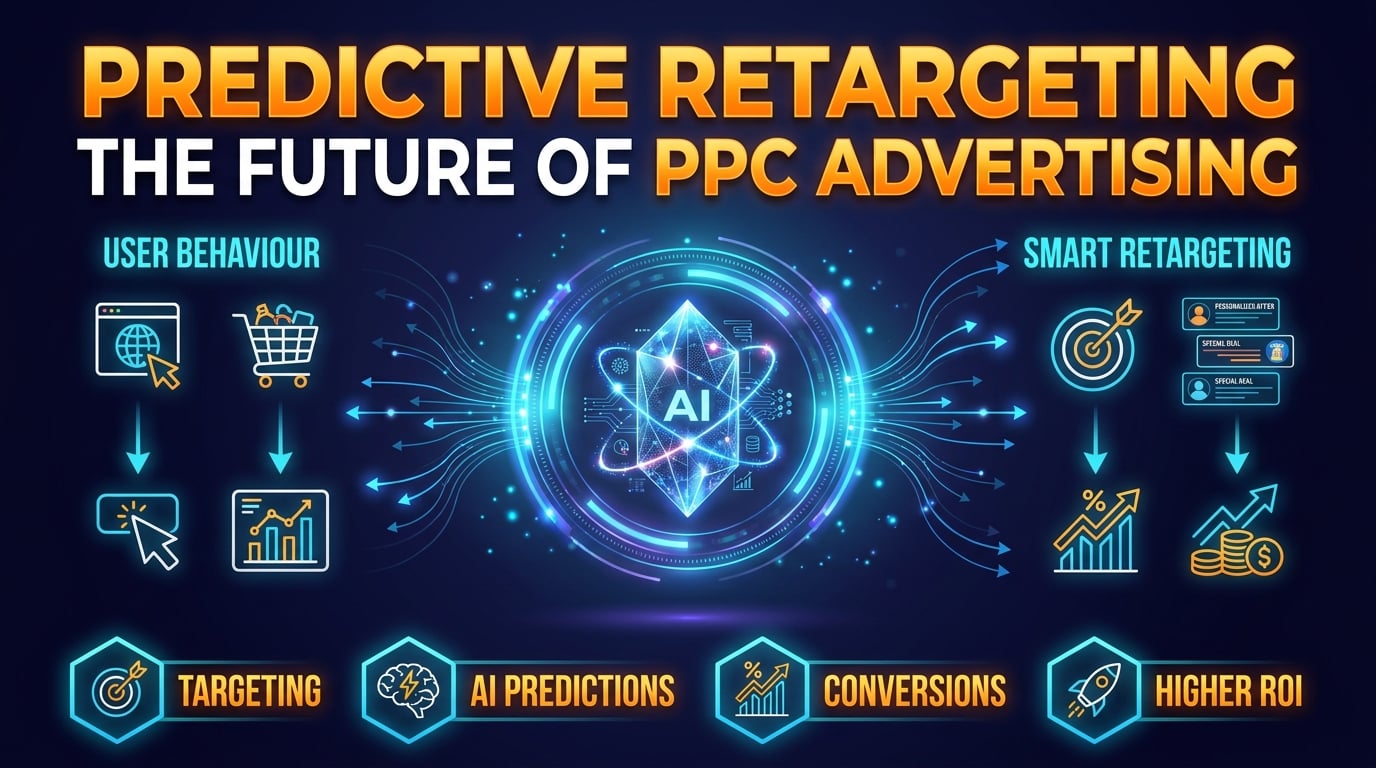
Advancements in technology have transformed PPC advertising into a more intelligent and strategic marketing channel. What once relied heavily on manual targeting and broad audience segments has transformed into a sophisticated, data-driven marketing channel powered by artificial intelligence and machine learning. As consumer behaviour becomes increasingly complex, advertisers are looking for smarter ways to reconnect with potential customers and improve campaign performance.
One of the most promising developments in this area is predictive retargeting. By leveraging advanced data analysis and predictive technologies, businesses can anticipate user behaviour and deliver more relevant advertising experiences. Rather than simply targeting users who have previously visited a website, predictive retargeting focuses on identifying those most likely to engage or convert in the future.
As digital advertising continues to become more intelligent, predictive retargeting is emerging as an important strategy for businesses seeking to maximise the value of their PPC campaigns.
Understanding Retargeting in PPC
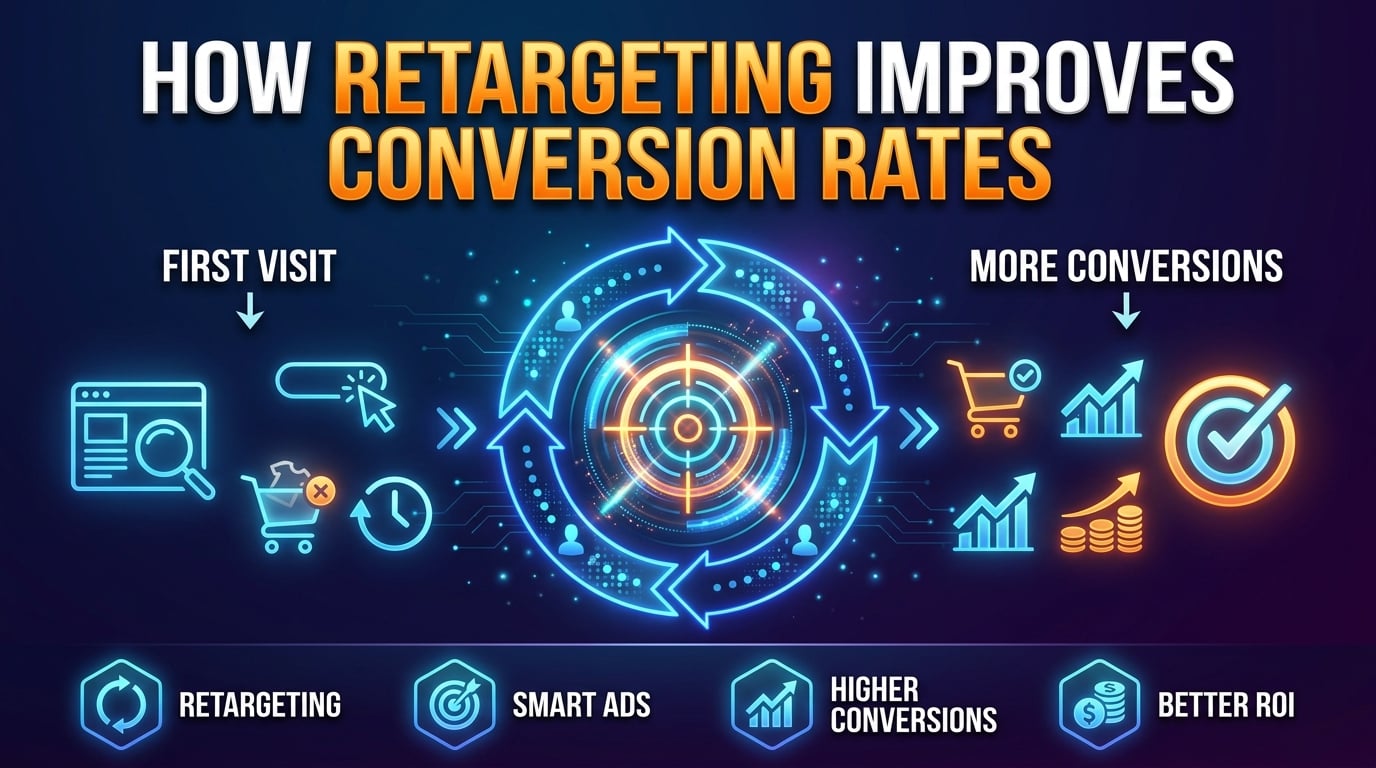
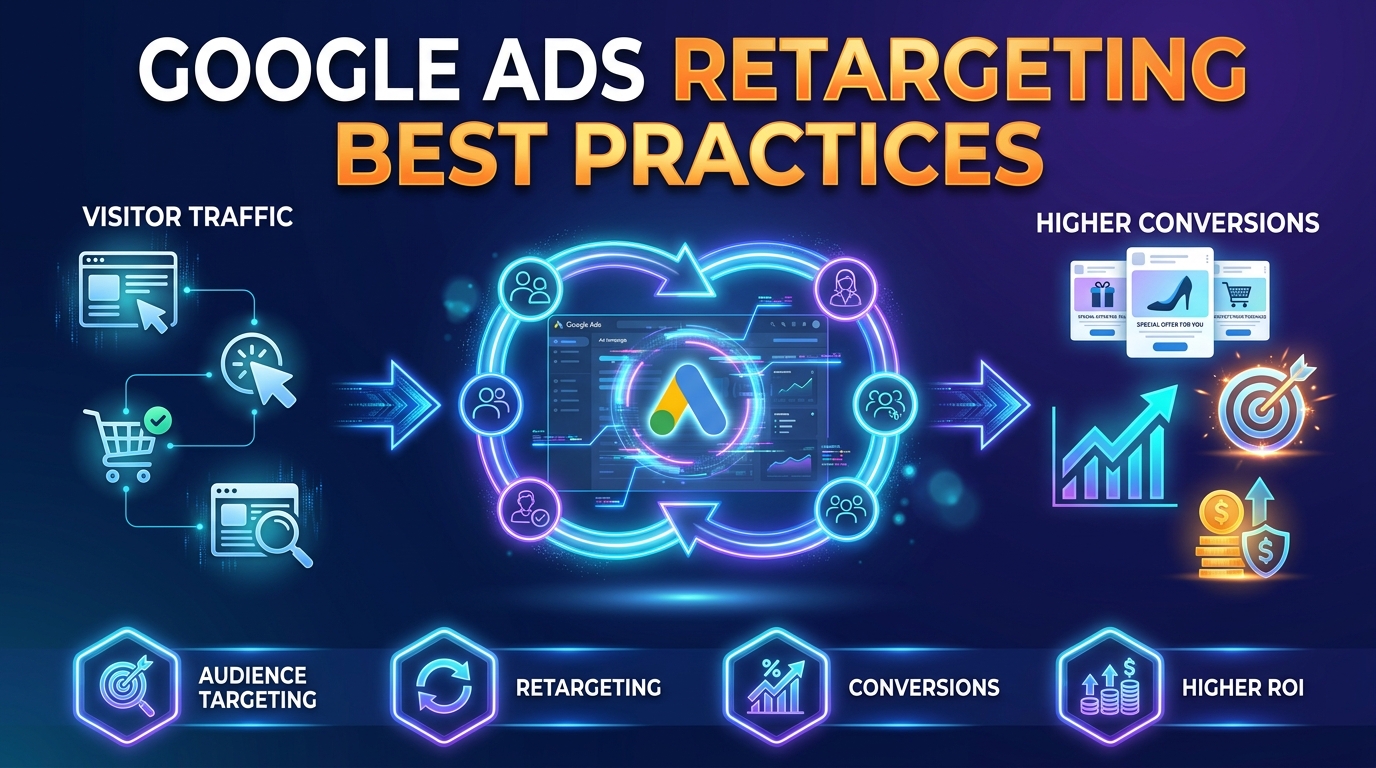
Retargeting is a digital advertising strategy that allows businesses to reconnect with users who have previously interacted with their website, content, or advertisements.
Traditional retargeting typically works by displaying ads to visitors who:
- Viewed specific pages
- Added products to a cart
- Started an enquiry process
- Downloaded content
- Engaged with previous campaigns
The goal is to encourage these users to return and complete a desired action.
While traditional retargeting remains effective, it often treats all visitors similarly, regardless of their likelihood of converting.
What Is Predictive Retargeting?
Predictive retargeting takes audience targeting a step further.
Instead of focusing solely on past interactions, predictive retargeting uses artificial intelligence, machine learning, and behavioural data to forecast future actions.
These systems analyse patterns such as:
- Browsing behaviour
- Engagement history
- Purchase intent signals
- Content interactions
- Search activity
- User demographics
Based on these insights, advertisers can identify users who are more likely to convert and prioritise advertising efforts accordingly.
This creates a more strategic and efficient approach to audience targeting.
Why Predictive Retargeting Is Gaining Momentum
Several factors are contributing to the growing popularity of predictive retargeting.
Advances in Artificial Intelligence
Modern AI systems can process vast amounts of data and identify behavioural patterns that would be difficult to detect manually.
These capabilities help advertisers make more informed targeting decisions.
Rising Advertising Costs
As competition increases across digital advertising platforms, businesses are looking for ways to improve efficiency and maximise advertising budgets.
Predictive retargeting helps focus resources on audiences with higher conversion potential.
Increased Demand for Personalisation
Consumers increasingly expect relevant and personalised online experiences.
Predictive targeting enables advertisers to deliver content that aligns more closely with user interests and behaviour.
How Predictive Retargeting Works
Predictive retargeting combines historical data with real-time behavioural insights to identify potential future actions.
The process generally involves several key stages.
Data Collection
Advertising platforms gather information from multiple sources, including:
- Website visits
- User interactions
- Conversion history
- Search behaviour
- Audience engagement data
The information gathered supports more accurate forecasting and audience analysis.
Pattern Identification
Machine learning algorithms analyse user behaviour to identify trends and characteristics associated with conversions.
These patterns help determine which users may be more likely to take future action.
Audience Prioritisation
Rather than targeting all previous visitors equally, predictive models rank users based on conversion probability.
Advertisers can then allocate budgets more effectively.
Dynamic Ad Delivery
Ads can be tailored and delivered based on predicted user interests, preferences, and buying intent.
This helps improve relevance and engagement.
The Benefits of Predictive Retargeting
Predictive retargeting offers several advantages compared to traditional audience targeting methods.
Improved Advertising Efficiency
By focusing on high-intent users, businesses can reduce wasted ad spend and improve campaign performance.
This allows budgets to be used more strategically.
Better Audience Segmentation
Predictive models can create highly-refined audience segments based on behavioural patterns.
This enables more personalised advertising experiences.
Stronger Conversion Opportunities
Targeting users with a higher likelihood of conversion can help improve campaign outcomes and overall marketing effectiveness.
Enhanced Customer Experiences
Relevant advertising often creates a more positive experience for users.
When ads align with consumer interests, engagement tends to improve naturally.
What Makes Predictive Retargeting Different?
Many marketers wonder how predictive retargeting differs from traditional retargeting strategies.
Why Is Predictive Retargeting More Advanced?
Traditional retargeting focuses on what users have already done.
Predictive retargeting focuses on what users are likely to do next.
It considers factors such as:
- Future intent
- Behavioural trends
- Conversion probability
- Audience patterns
- Real-time signals
This shift from reactive targeting to proactive targeting makes predictive retargeting a powerful tool for modern advertisers.
The Role of Machine Learning in Predictive Retargeting
Machine learning serves as the foundation of predictive advertising.
These systems continuously analyse performance data and refine targeting models over time.
Machine learning can:
- Improve audience predictions
- Identify emerging trends
- Adapt to changing user behaviour
- Optimise campaign performance
- Refine ad delivery strategies
As more data becomes available, predictive models often become increasingly accurate.
How Businesses Can Implement Predictive Retargeting
Businesses interested in predictive retargeting should begin with a strong data foundation.
Important steps include:
Collect Quality Data
Accurate audience data is essential for effective predictive modelling.
Define Conversion Goals
Clear objectives help algorithms identify the behaviours most closely associated with successful outcomes.
Segment Audiences Strategically
Grouping users based on behavioural characteristics can improve targeting accuracy.
Monitor Campaign Performance
Regular analysis helps ensure predictive models continue delivering valuable insights.
Test and Refine
Ongoing optimisation supports better long-term performance and campaign efficiency.
Common Challenges to Consider
Although predictive retargeting offers many advantages, businesses should also be aware of potential challenges.
These may include:
-
- Data quality issues
- Privacy considerations
- Evolving consumer behaviour
- Platform algorithm changes
- Complex implementation processes
Overcoming these obstacles requires continuous monitoring and thoughtful decision-making.
The Future of PPC Advertising
As artificial intelligence continues to advance, predictive technologies are expected to play an increasingly important role in digital advertising.
Future developments may include:
- More accurate audience predictions
- Enhanced automation
- Smarter campaign optimisation
- Real-time personalisation
- Improved customer journey analysis
Advertisers who embrace predictive strategies may be better positioned to adapt to evolving market conditions and consumer expectations.
The future of PPC is likely to be driven by data, automation, and intelligent decision-making.
Why Predictive Retargeting Matters
The digital advertising landscape is becoming more competitive and data-driven. Businesses can no longer rely solely on broad audience targeting or reactive marketing strategies.
Predictive retargeting provides a more strategic approach by helping advertisers identify and engage users with the highest potential value.
By focusing on future behaviour rather than only past actions, businesses can improve campaign relevance, efficiency, and overall performance.
Conclusion
Predictive retargeting is reshaping the future of PPC advertising by combining artificial intelligence, machine learning, and behavioural data to identify users most likely to convert. Unlike traditional retargeting, which focuses primarily on past interactions, predictive retargeting uses advanced insights to anticipate future actions and deliver more relevant advertising experiences.
As digital advertising continues to evolve, businesses that adopt intelligent targeting strategies can improve efficiency, enhance audience engagement, and make better use of their marketing budgets. Incorporating PPC retargeting into a data-driven advertising strategy can help businesses stay competitive in an increasingly sophisticated digital landscape.
FAQs
How is predictive retargeting different from traditional retargeting?
Traditional retargeting focuses on users who previously interacted with a website, while predictive retargeting uses data analysis to forecast future behaviour and conversion likelihood.
What are the benefits of predictive retargeting?
Benefits include improved advertising efficiency, better audience targeting, enhanced personalisation, and stronger conversion opportunities.
Is predictive retargeting suitable for small businesses?
Yes. Businesses of all sizes can benefit from predictive retargeting, particularly when looking to maximise advertising budgets and improve campaign performance through smarter audience targeting.