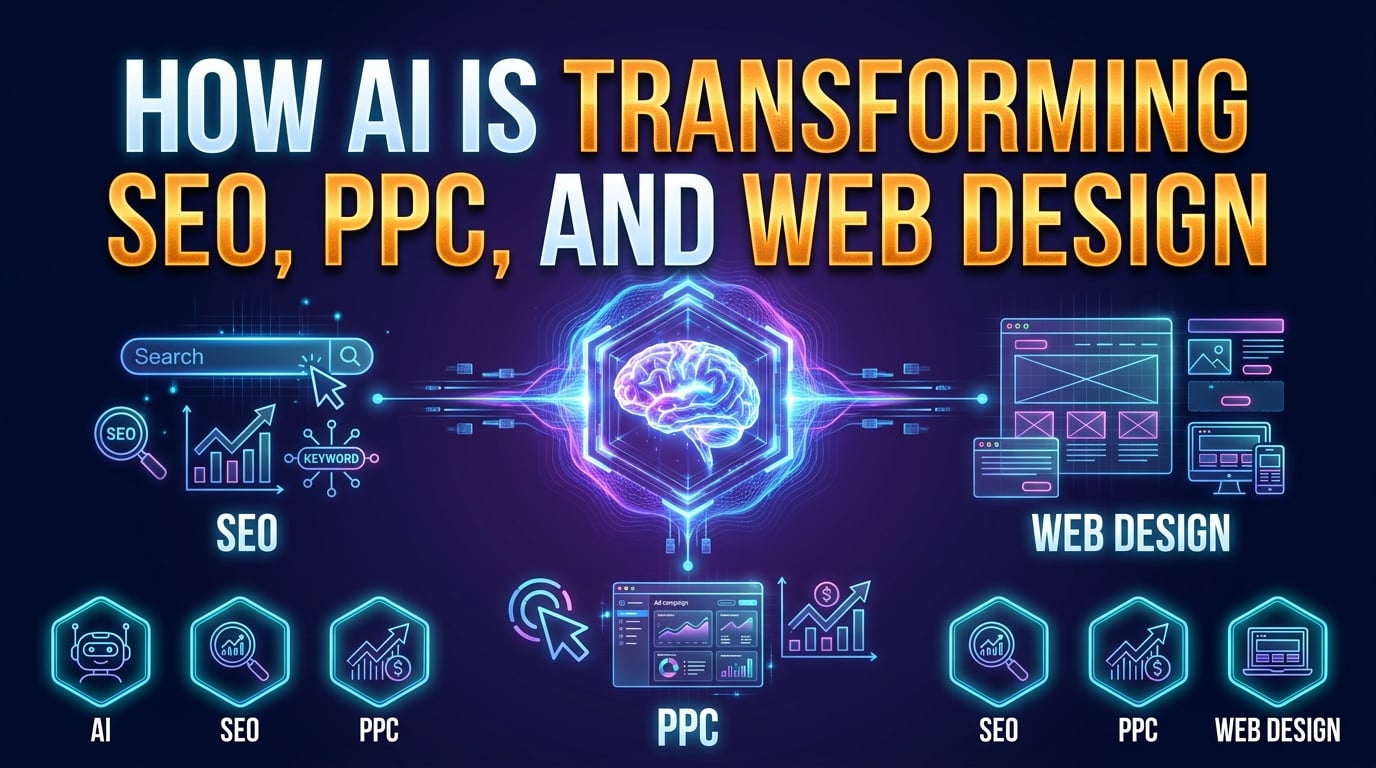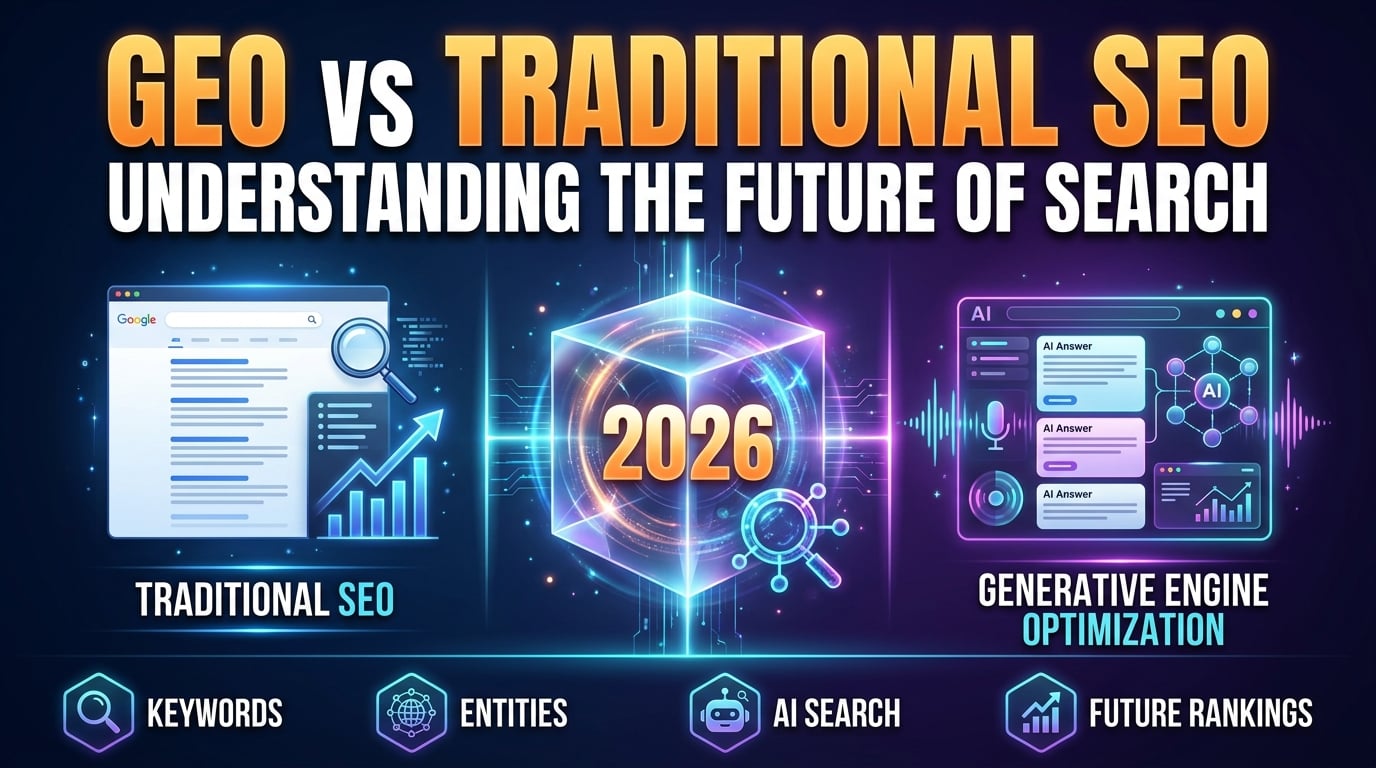



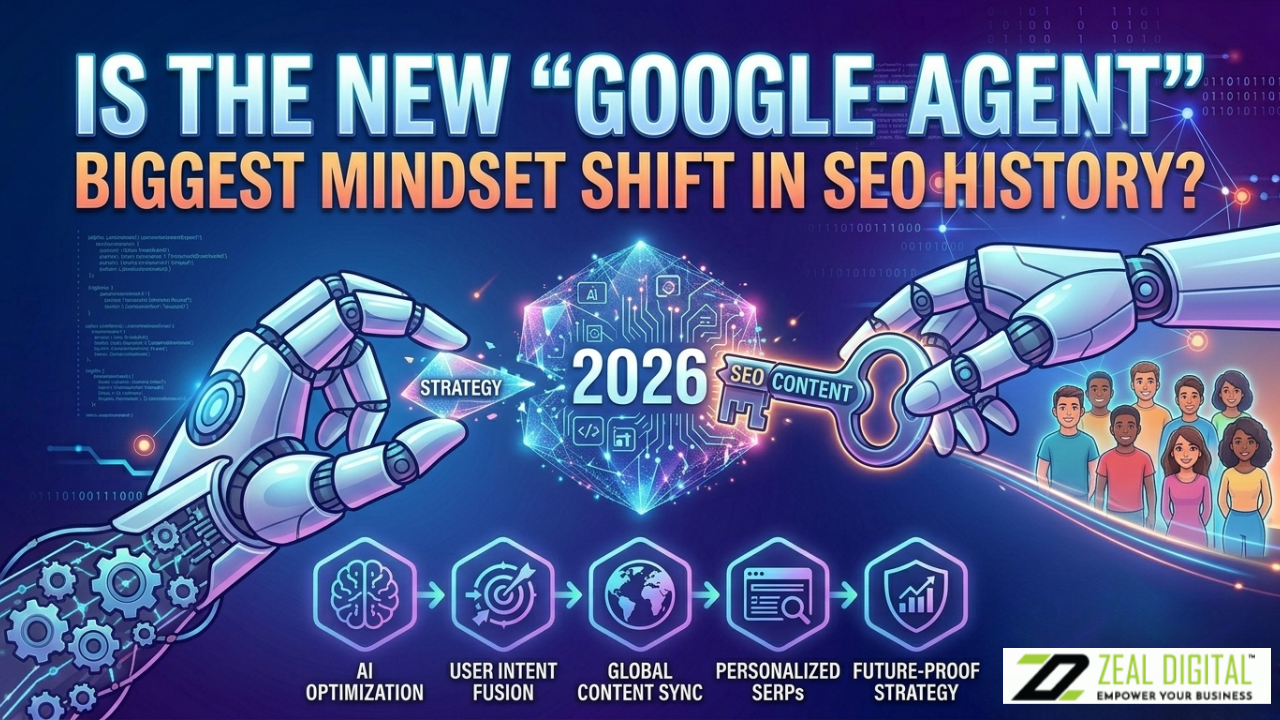
There have been genuinely significant moments in the history of search. Google’s original launch. The shift to semantic understanding with Hummingbird. Mobile-first indexing. The Helpful Content framework. Each of these changed what SEO required in practice.
But what is happening right now, with agentic AI becoming embedded in Google’s core search experience, may be categorically different from all of those. Not just a change in what signals matter, but a change in what search fundamentally is.
That is a significant claim. Here is why it holds up.
What the Google Agent Is Actually Doing
Google’s agentic capabilities, developed through projects like Project Mariner and deployed progressively through AI mode features, allow the search system to go beyond retrieval and ranking. The agent can now reason across multiple steps, take actions on behalf of a user, and complete tasks rather than pointing to pages where tasks might be completed.
This is not an incremental improvement on traditional search. Traditional search is a lookup tool. You submit a query, and Google retrieves and ranks results for you to evaluate. The agentic model is closer to delegation. You describe a goal, and the agent pursues it, pulling information from across the web, reasoning through the problem, and returning an outcome.
For users, this is a genuine improvement. For SEO practitioners, it requires a fundamentally different way of thinking about what we are optimising for.
The Core Mindset Shift
SEO has always been about ranking. Get your page to position one for the right terms, and the traffic follows. Visibility is measured by position. Traffic is the outcome. The model is clean.
Agentic search disrupts this because the agent is not returning a ranked list for the user to browse. It is completing a task and synthesising information from multiple sources into a response or action. Your page may never appear in a traditional result. But your site’s information, or the authority signals your site has accumulated, may influence the agent’s response.
This changes the core strategic question. Instead of ‘how do I rank for this keyword?’, the question becomes ‘how do I become a source that agentic systems draw from when answering questions in my domain?’
That is not a minor reframing. It is a different discipline.
What Becomes More Valuable
Several things that were already worth investing in become significantly more important in an agentic environment.
- Entity recognition. Agentic systems work with clearly-defined entities, brands, people, products, organisations, far more than with keyword strings. Making your brand, your team members, and your products clearly recognisable entities in Google’s knowledge systems is a meaningful strategic objective. Your Google Business Profile, Wikipedia entity if applicable, and structured presence across authoritative directories all contribute to this.
- Machine-readable, structured content. Content organised with proper schema markup, clean heading hierarchy, and unambiguous factual claims is more readily interpreted by agentic systems. Ambiguity reduces reliability as a source.
- Factual accuracy and internal consistency. Agentic systems synthesise across multiple sources. Content that contradicts widely-accepted information or is internally inconsistent is less likely to be drawn upon as a reference. Accuracy is not just an ethical baseline. It is increasingly a ranking signal.
- Brand trust signals. Your overall credibility profile matters. Consistent NAP across directories. Reviews on authoritative platforms. Presence on industry-recognised listings. These feed the trust evaluation that agentic systems use when deciding what to reference.
What Becomes Less Relevant
Exact-match keyword density was already diminishing as a signal. In agentic search, it becomes even less relevant. The agent understands semantic meaning, not keyword patterns.
Position-one rankings for head terms may also matter less when agentic responses handle those queries directly without generating clicks. The traffic those terms once delivered may increasingly stay within the AI response layer.
This is not cause for alarm. It is a cause for strategic adjustment that many teams are not making quickly enough.
The Content Quality Threshold
If being referenced by agentic systems is the emerging form of SEO visibility, then content must meet a higher standard than was previously required. The agent evaluates your content as a potential source for synthesised answers. Content that is vague, promotional, poorly structured, or factually loose is unlikely to be drawn upon.
Deep, accurate, well-structured content attributed to credible authors with demonstrable expertise is what earns reference in agentic outputs. This is consistent with everything Google has been communicating through its Helpful Content guidance and EEAT frameworks. The agentic shift does not introduce a new philosophy. It accelerates and amplifies the existing one.
Has SEO Fundamentally Changed Before?
It is worth asking honestly whether this really is the biggest mindset shift in the history of the discipline.
Previous transformations, mobile-first indexing, the semantic shift from keywords to topics, and the integration of machine learning through RankBrain, each felt significant in their moment. But most of them were additive. They changed which signals mattered without fundamentally altering the relationship between the search engine and the website.
The agentic shift potentially changes that relationship at a structural level. Websites may no longer be the primary destination. They may become source material for an agent-mediated experience. If that transition fully occurs at scale, the purpose of a website in a search context changes from destination to reference point.
That is a structural change, not an incremental one.
Final Thoughts
The emergence of agentic search is not a reason to abandon SEO. It is a reason to evolve what SEO means strategically. Entity authority, accurate and well-structured content, and genuine domain expertise, these are the investments that hold value regardless of how the interface between user and search engine continues to change. If you are reviewing your current approach with an SEO marketing company in Sydney or elsewhere, the right question to ask is whether they understand this shift at a strategic level and whether their work reflects it.
FAQs
Does agentic search make traditional SEO irrelevant?
No. It shifts the goal from ranking for clicks toward becoming a trusted source that agentic systems reference in their responses.
What is entity recognition, and why does it matter?
It is Google's ability to identify brands, people, and products as clearly-defined subjects. Recognised entities carry more trust as sources.
How do I build brand entity recognition?
Consistent signals across authoritative platforms, properly-structured data, Knowledge Panel accuracy, and NAP consistency across directories.
Will agentic search reduce website traffic?
For certain query types, yes. Informational queries handled by agents may generate fewer click-throughs to source websites.
Does structured data help in agentic search?
Significantly. Schema markup helps AI systems interpret your content accurately and trust it as a reliable source.