


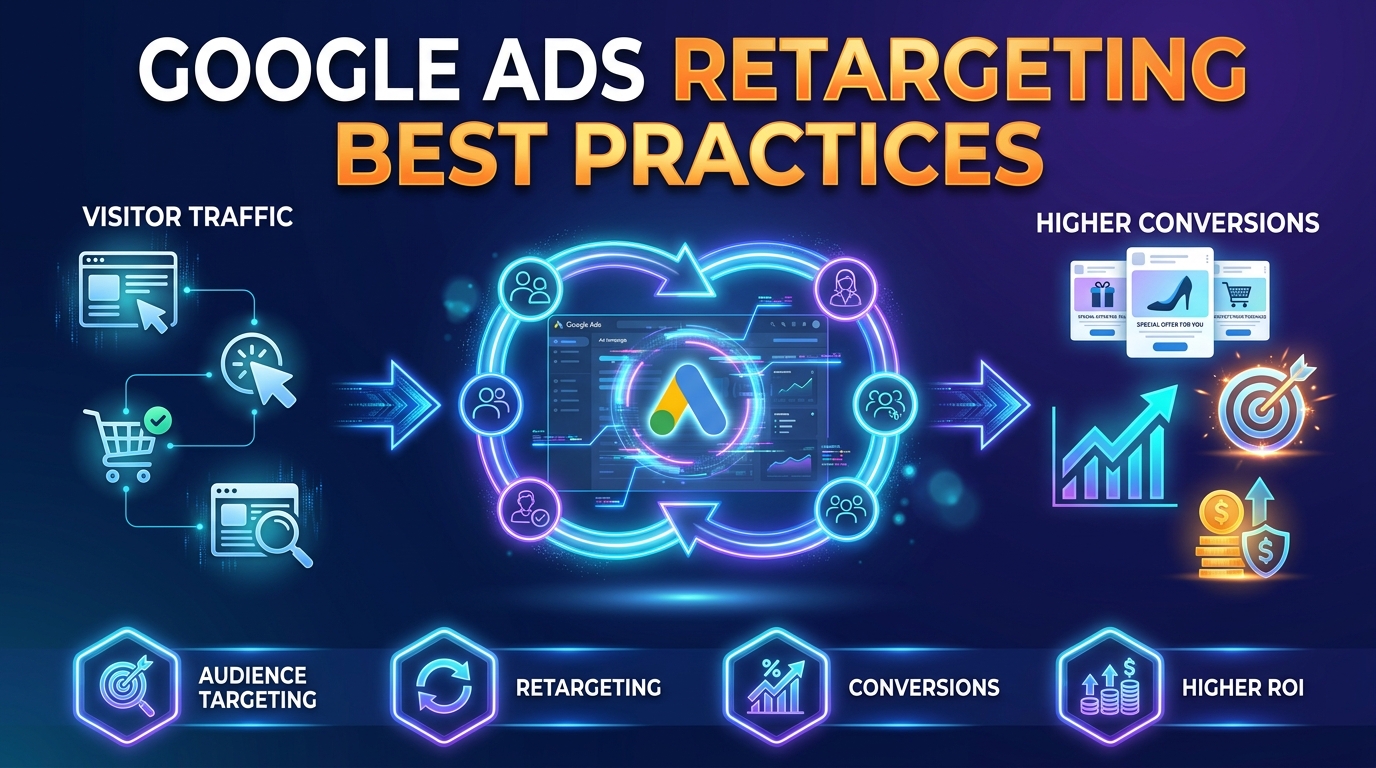
Digital advertising has become increasingly competitive, making it more challenging for businesses to convert website visitors on their first interaction. Many users research products, compare options, or gather information before making a decision. As a result, a significant portion of website traffic leaves without completing a desired action.
This is where Google Ads retargeting can make a meaningful difference. By reconnecting with users who have previously interacted with your website, businesses can stay visible throughout the customer journey and encourage potential customers to return when they are ready to take action.
When implemented effectively, retargeting can improve brand recall, increase engagement, and support stronger campaign performance. Understanding the best practices for Google Ads retargeting can help businesses maximise their advertising investment and reach high-intent audiences more effectively.
What Is Google Ads Retargeting?
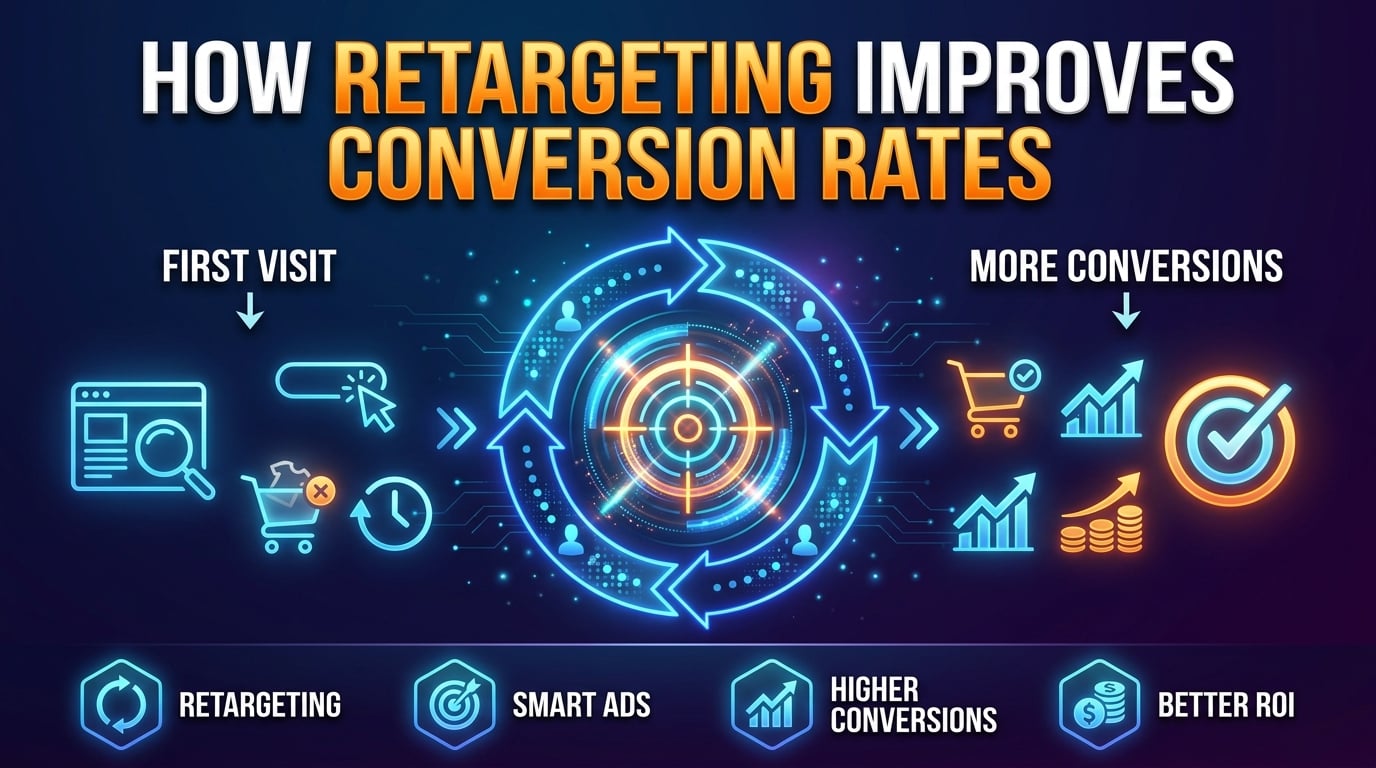
Google Ads retargeting, often referred to as remarketing, is a strategy that allows businesses to display advertisements to users who have previously visited their website or interacted with their content.
Rather than targeting entirely new audiences, retargeting focuses on individuals who have already demonstrated some level of interest.
Common retargeting audiences include users who have:
- Visited specific website pages
- Viewed products or services
- Started an enquiry process
- Added items to a cart
- Downloaded resources
- Engaged with previous marketing campaigns
This approach helps keep your business top of mind as users continue their decision-making process.
Why Retargeting Is Important
Most website visitors do not convert immediately.
People often require multiple interactions before making a purchase or enquiry. Retargeting helps bridge this gap by maintaining visibility and reinforcing brand awareness.
Key benefits include:
- Re-engaging interested visitors
- Increasing brand recognition
- Supporting longer sales cycles
- Improving conversion opportunities
- Maximising the value of existing website traffic
By targeting users who have already shown interest, businesses can focus their advertising efforts on more qualified audiences.
Segment Your Audiences Strategically
One of the most important retargeting practices is audience segmentation.
Not all website visitors have the same intent or level of interest. Creating targeted audience segments allows businesses to deliver more relevant advertisements.
Consider segmenting audiences based on:
Website Behaviour
Separate visitors according to the pages they viewed.
Examples include:
- Product page visitors
- Service page visitors
- Blog readers
- Pricing page visitors
Engagement Level
Users who spent significant time on your website may require different messaging compared to visitors who left quickly.
Conversion Stage
Create separate campaigns for:
- New visitors
- Returning visitors
- Cart abandoners
- Previous leads
Tailored messaging often leads to better engagement and campaign performance.
Create Relevant Ad Messaging
Effective retargeting depends on relevance.
Users should see advertisements that align with their previous interactions and interests.
For example:
- Product viewers may see product-focused ads
- Service page visitors may see solution-oriented messaging
- Cart abandoners may receive reminders about unfinished actions
Personalised messaging can make advertising feel more relevant and valuable to potential customers.
Optimise Audience Membership Duration
Audience membership duration determines how long users remain in your retargeting lists.
The ideal duration depends on your business and customer journey.
Short Sales Cycles
Businesses with quick purchasing decisions may benefit from shorter audience durations.
Longer Decision Processes
For higher-consideration purchases, longer retargeting periods may be more appropriate.
Testing different durations can help identify the most effective approach for your audience.
Use Frequency Capping
Retargeting can be highly effective, but excessive ad exposure may create a negative user experience.
Frequency capping helps control how often users see your advertisements.
Benefits include:
- Reducing ad fatigue
- Improving audience experience
- Maintaining campaign effectiveness
- Preventing oversaturation
Finding the right balance helps keep your messaging visible without becoming intrusive.
Leverage Dynamic Retargeting
Dynamic retargeting automatically displays ads featuring products or services that users previously viewed.
This approach can increase relevance because advertisements directly reflect user interests.
Dynamic campaigns are particularly useful for businesses with:
- Large product catalogues
- Multiple service offerings
- Diverse audience interests
Personalised advertising often contributes to stronger engagement.
How Can Businesses Improve Retargeting Performance?
Many advertisers focus heavily on audience creation but overlook optimisation opportunities.
What Factors Influence Retargeting Success?
Several elements contribute to strong retargeting performance.
These include:
- Audience segmentation
- Ad relevance
- Landing page quality
- Frequency management
- Conversion tracking
- Continuous optimisation
Retargeting campaigns perform best when all components work together to create a seamless user experience.
Align Landing Pages With Ad Messaging
The user experience should remain consistent from advertisement to landing page.
When users click a retargeting ad, they should find content that aligns with the message they saw.
Best practices include:
- Matching headlines and offers
- Maintaining consistent messaging
- Providing clear calls to action
- Ensuring mobile-friendly experiences
- Optimising page loading speed
A well-aligned landing page can improve engagement and conversion opportunities.
Monitor Key Performance Metrics
Successful retargeting campaigns rely on ongoing analysis and optimisation.
Important metrics to track include:
- Click-through rate (CTR)
- Conversion rate
- Cost per conversion
- Return on ad spend (ROAS)
- Audience engagement
- Impression frequency
Regular monitoring helps identify areas for improvement and supports data-driven decision-making.
Exclude Converted Users
Once users have completed a desired action, they should often be removed from specific retargeting campaigns.
Continuing to show conversion-focused ads to existing customers may result in wasted advertising spend.
Instead, businesses can:
- Exclude converters
- Create customer-specific campaigns
- Promote additional products or services
- Develop loyalty-focused advertising
This approach helps improve campaign efficiency.
Test and Refine Continuously
Retargeting is not a set-and-forget strategy.
Ongoing testing helps businesses identify what works best for their audience.
Areas to test include:
- Ad copy
- Headlines
- Visual assets
- Audience segments
- Landing pages
- Ad formats
Continuous optimisation can contribute to stronger long-term results.
Common Retargeting Mistakes to Avoid
Businesses should be aware of several common mistakes that can reduce campaign effectiveness.
These include:
- Targeting overly broad audiences
- Using generic messaging
- Ignoring frequency limits
- Failing to segment audiences
- Neglecting conversion tracking
- Sending traffic to irrelevant landing pages
Addressing these common mistakes can lead to more effective campaigns and a better experience for users.
The Future of Google Ads Retargeting
As artificial intelligence and machine learning continue to evolve, retargeting strategies are becoming more advanced.
Future developments may include:
- Predictive audience targeting
- Enhanced automation
- Smarter audience segmentation
- Real-time personalisation
- Improved campaign optimisation
Businesses that adapt to these innovations can continue improving advertising efficiency and audience engagement.
Conclusion
Google Ads retargeting remains one of the most effective ways to reconnect with interested audiences and maximise the value of website traffic. By focusing on audience segmentation, relevant messaging, frequency management, landing page alignment, and continuous optimisation, businesses can create more effective retargeting campaigns that support stronger engagement and conversion outcomes.
As digital advertising continues to evolve, implementing these best practices can help organisations make better use of their marketing budgets and improve overall campaign performance. Whether managing campaigns internally or partnering with a Google Ads agency in Sydney, a strategic approach to retargeting can support long-term advertising success.
FAQs
How does audience segmentation improve retargeting?
Audience segmentation allows businesses to create more relevant advertisements based on user behaviour, interests, and stages within the customer journey.
What is dynamic retargeting?
Dynamic retargeting automatically shows users advertisements featuring products or services they previously viewed, creating a more personalised advertising experience.
How often should retargeting campaigns be optimised?
Retargeting campaigns should be reviewed regularly to analyse performance, test new approaches, and identify opportunities for improvement.