


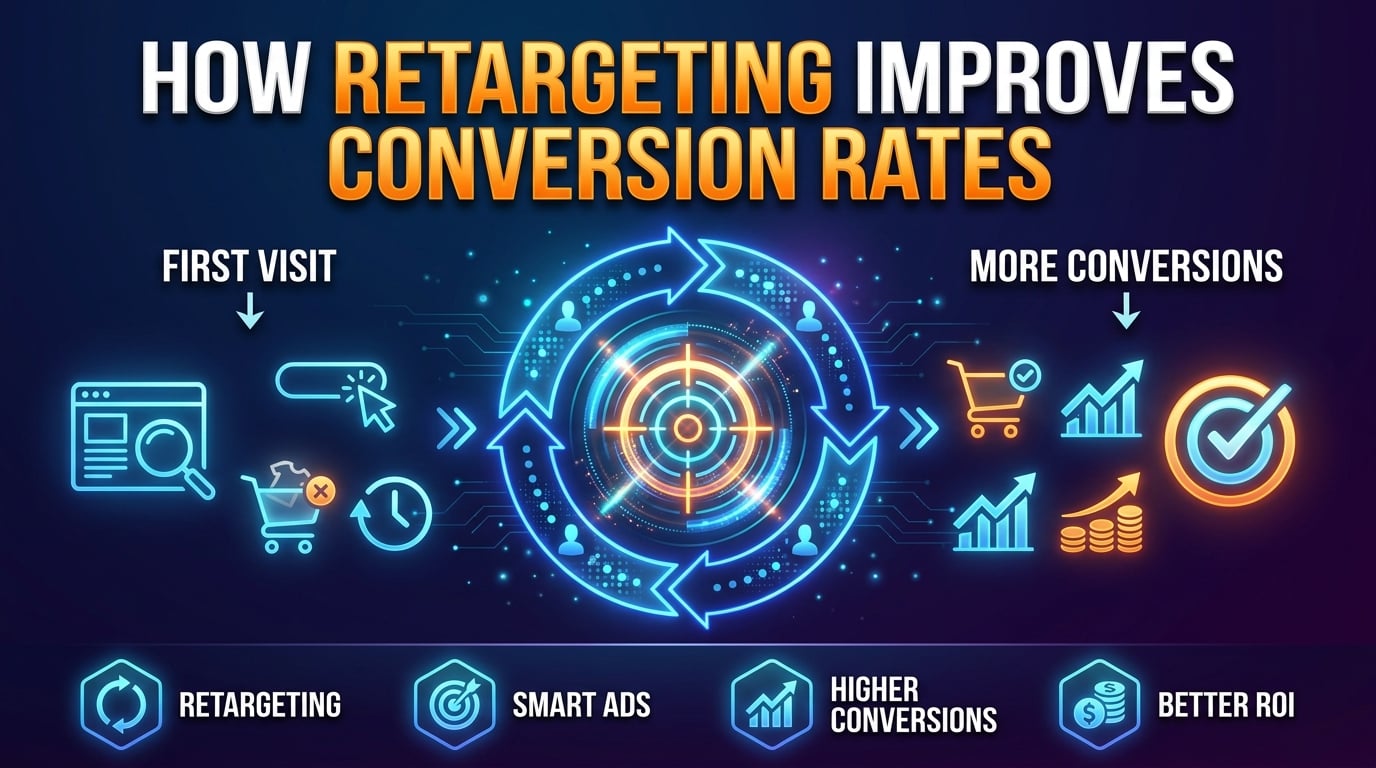
In today’s competitive digital landscape, attracting visitors to a website is only part of the marketing challenge. Many users browse products, explore services, or gather information without taking immediate action. In fact, a large percentage of website visitors leave without making a purchase, submitting an enquiry, or completing another desired action.
This is where retargeting plays a valuable role. By reconnecting with users who have already shown interest in a business, retargeting keeps brands visible throughout the decision-making process. Rather than focusing solely on acquiring new visitors, businesses can engage previous website visitors and encourage them to return when they are ready to convert.
As consumer journeys become longer and more complex, retargeting has become an important strategy for improving conversion rates and maximising marketing performance.
What Is Retargeting?
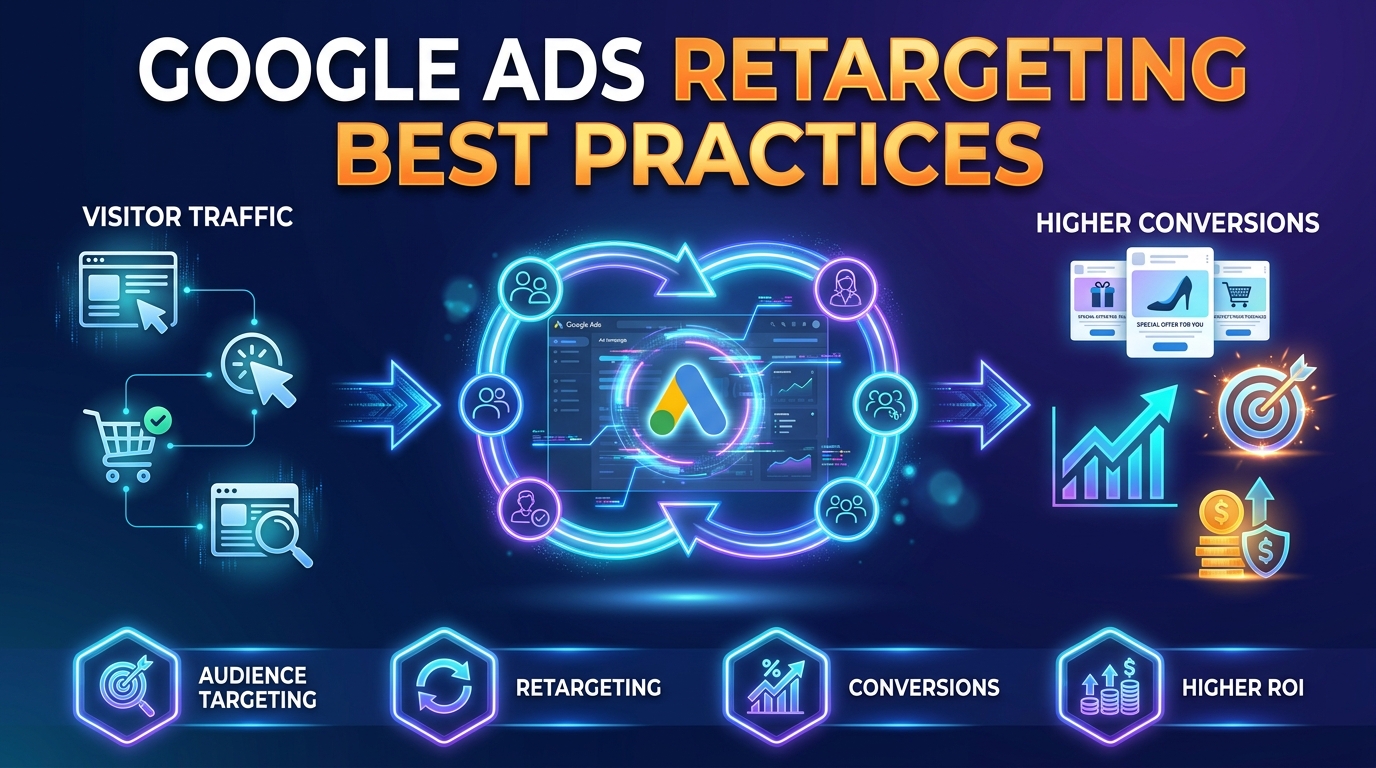
Retargeting is a digital advertising strategy that allows businesses to display ads to users who have previously interacted with their website, app, or online content.
These users may have:
- Visited a product page
- Viewed a service offering
- Read a blog article
- Added items to a shopping cart
- Started an enquiry form
- Downloaded a resource
Retargeting helps businesses remain visible to these users after they leave the website, increasing the likelihood of future engagement.
Why Most Visitors Don’t Convert Immediately
Many marketers expect visitors to take action during their first visit, but consumer behaviour often works differently.
Before making a decision, users frequently:
- Compare multiple options
- Research products or services
- Read reviews
- Seek additional information
- Evaluate pricing and features
This means a single website visit is rarely enough to secure a conversion.
Retargeting helps businesses stay connected with potential customers during this evaluation process.
The Relationship Between Retargeting and Conversion Rates
Conversion rates measure the percentage of users who complete a desired action after interacting with a website or advertisement.
Retargeting supports higher conversion rates by focusing on users who have already demonstrated interest.
Because these audiences are familiar with the brand, they often require less persuasion than completely new visitors.
This increased familiarity can create more opportunities for conversions.
Keeping Your Brand Top of Mind
One of the biggest advantages of retargeting is increased brand visibility.
Users may leave a website for many reasons, including distractions, time constraints, or the need for additional research.
Retargeting advertisements help remind users about:
- Products they viewed
- Services they explored
- Information they accessed
- Actions they did not complete
Maintaining visibility throughout the customer journey can improve the likelihood of users returning to take action.
Reaching High-Intent Audiences
Not all website visitors have the same level of interest.
Retargeting focuses specifically on users who have already engaged with your business in some way.
These audiences often demonstrate stronger intent because they have:
- Visited relevant pages
- Interacted with content
- Shown interest in specific offerings
- Explored solutions to their needs
Targeting high-intent users can improve campaign efficiency and conversion opportunities.
Delivering More Relevant Advertising
Relevance is one of the key drivers of successful digital advertising.
Retargeting allows businesses to create highly-targeted advertisements based on previous user behaviour.
For example:
- Product viewers can see product-specific ads
- Service page visitors can receive service-related messaging
- Cart abandoners can be reminded about unfinished purchases
This level of personalisation often increases engagement and supports stronger conversion outcomes.
How Does Retargeting Influence Customer Decisions?
Many businesses wonder why retargeting is so effective.
Why Are Returning Visitors More Likely to Convert?
Returning visitors are often further along in the decision-making process than first-time users.
They may already:
- Understand the brand
- Recognise the product or service
- Trust the information provided
- Have a clearer understanding of their needs
Retargeting helps maintain communication during this critical stage, making it easier for users to take the next step.
Strengthening Customer Trust
Trust plays an important role in conversion decisions.
Repeated exposure to a brand can increase familiarity and credibility over time.
Retargeting helps reinforce:
- Brand awareness
- Product knowledge
- Service understanding
- Customer confidence
As users become more familiar with a business, they may feel more comfortable taking action.
Supporting Longer Sales Cycles
Some industries involve lengthy purchasing decisions.
For example, customers may spend weeks or months researching before making a commitment.
Retargeting helps businesses remain visible throughout these longer sales cycles by providing ongoing engagement opportunities.
This continued visibility can prevent potential customers from forgetting about a business during their research process.
Encouraging Abandoned Cart Recovery
For eCommerce businesses, cart abandonment is a common challenge.
Users may add items to their cart but leave before completing the purchase.
Reasons may include:
- Comparing prices
- Unexpected costs
- Distractions
- Delayed decision-making
Retargeting campaigns can remind users about the products they considered and encourage them to return.
This strategy often contributes to improved conversion rates.
Improving Marketing Efficiency
Acquiring new website visitors often requires significant marketing investment.
Retargeting helps businesses maximise the value of existing traffic by focusing on users who have already demonstrated interest.
Benefits include:
- Better audience targeting
- More efficient budget allocation
- Improved advertising relevance
- Enhanced conversion opportunities
By concentrating on engaged audiences, businesses can often achieve stronger results from their advertising efforts.
Best Practices for Successful Retargeting
To maximise conversion rates, businesses should follow several retargeting best practices.
Segment Audiences Carefully
Create separate campaigns for different user groups based on behaviour and intent.
Personalise Ad Messaging
Develop advertisements that reflect previous interactions and interests.
Monitor Frequency
Avoid showing ads excessively to prevent audience fatigue.
Optimise Landing Pages
Ensure users arrive on pages that match the message presented in the advertisement.
Track Performance Metrics
Monitor key indicators such as:
- Click-through rate
- Conversion rate
- Cost per conversion
- Return on ad spend
Regular analysis supports ongoing optimisation.
Common Retargeting Mistakes to Avoid
Businesses can improve performance by avoiding common errors.
These include:
- Using generic messaging
- Targeting overly broad audiences
- Ignoring audience segmentation
- Neglecting performance tracking
- Failing to update campaigns regularly
Addressing these issues can help create more effective retargeting campaigns.
The Future of Retargeting
Advancements in artificial intelligence and machine learning are transforming retargeting strategies.
Future developments may include:
- Predictive audience targeting
- Real-time personalisation
- Automated optimisation
- Smarter customer journey analysis
- Enhanced audience segmentation
These innovations are expected to make retargeting even more relevant and effective.
Why Retargeting Remains an Essential Marketing Strategy
As consumer journeys become increasingly complex, businesses need strategies that support multiple touchpoints and ongoing engagement.
Retargeting helps bridge the gap between initial interest and final conversion by keeping brands visible, relevant, and connected to potential customers.
Rather than relying solely on first-time interactions, businesses can use retargeting to nurture relationships and improve conversion opportunities over time.
Conclusion
Retargeting is a powerful digital advertising strategy that helps businesses reconnect with interested audiences and improve conversion rates. By targeting users who have already engaged with a website or brand, businesses can deliver more relevant advertising, strengthen brand awareness, and support customers throughout the decision-making process.
From abandoned cart recovery to personalised messaging and audience segmentation, retargeting provides multiple opportunities to increase engagement and drive meaningful results. Investing in professional retargeting services can help businesses maximise the value of their existing traffic and create more effective advertising campaigns.
FAQs
Why does retargeting improve conversion rates?
Retargeting focuses on users who have already shown interest in a business, making them more likely to engage and convert compared to entirely new audiences.
Is retargeting only useful for eCommerce businesses?
No. Retargeting can benefit a wide range of industries, including professional services, education, healthcare, real estate, and more.
How long should retargeting campaigns run?
The ideal duration depends on the customer journey and industry, but campaigns should be regularly reviewed and optimised to maintain effectiveness.